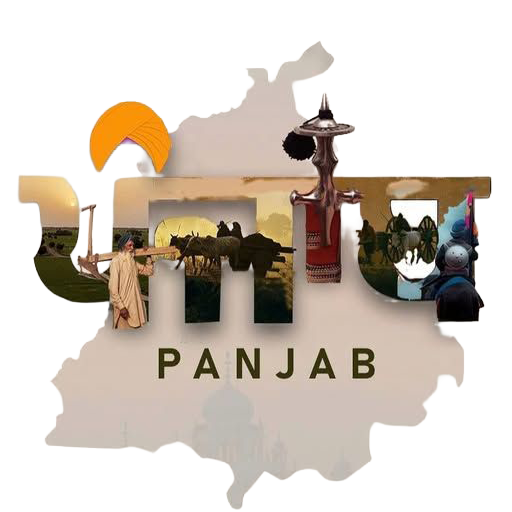
Why Always Panj-aab…
Through history, Punjab has stood strong against attempts to weaken it. From the Partition of 1947 to the SYL Canal dispute, Punjab’s story is one of resilience and rebellion.
I document Punjab’s struggles and resilience through history.
Through this site, I trace the journey of Punjab – a land marked by struggle, courage, and unwavering resilience. From the traumatic Partition of 1947 to the battles over language, the 1984 genocide, and the SYL water dispute, Punjab’s spirit has endured, defying attempts to weaken it and standing tall through history’s trials.
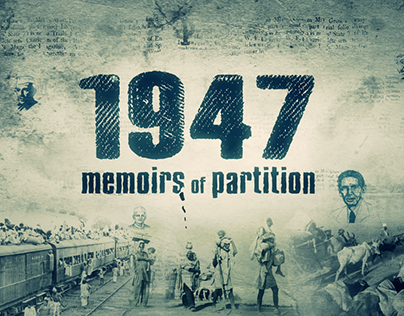
Partition of 1947 – Punjab Torn Apart
In 1947, Punjab was split between India and Pakistan. Millions were displaced, leaving behind homes and heritage. Communities were shattered, marking the start of Punjab’s struggle to survive and stay united.
View →
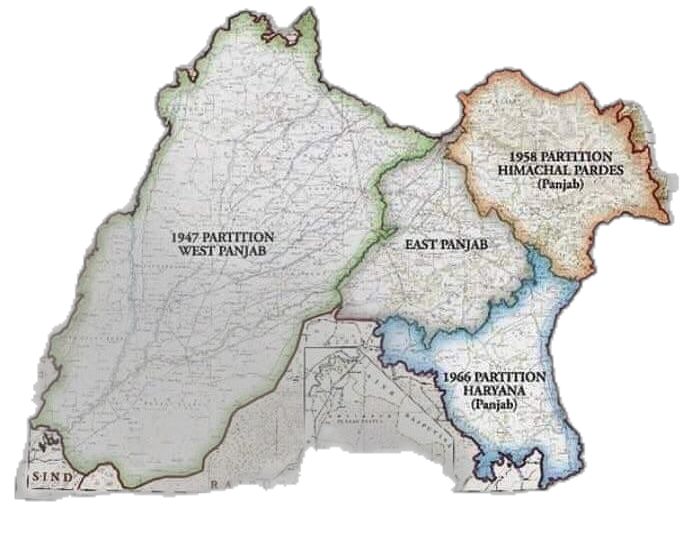
1966 Language Partition – Punjab Divided Again
In 1966, Punjab was split on linguistic lines, creating the new states of Haryana and Himachal Pradesh. Punjab lost significant land, fertile regions, and vital resources. Despite these setbacks, Punjabis remained determined, fighting to preserve their language, culture, and identity.
View →
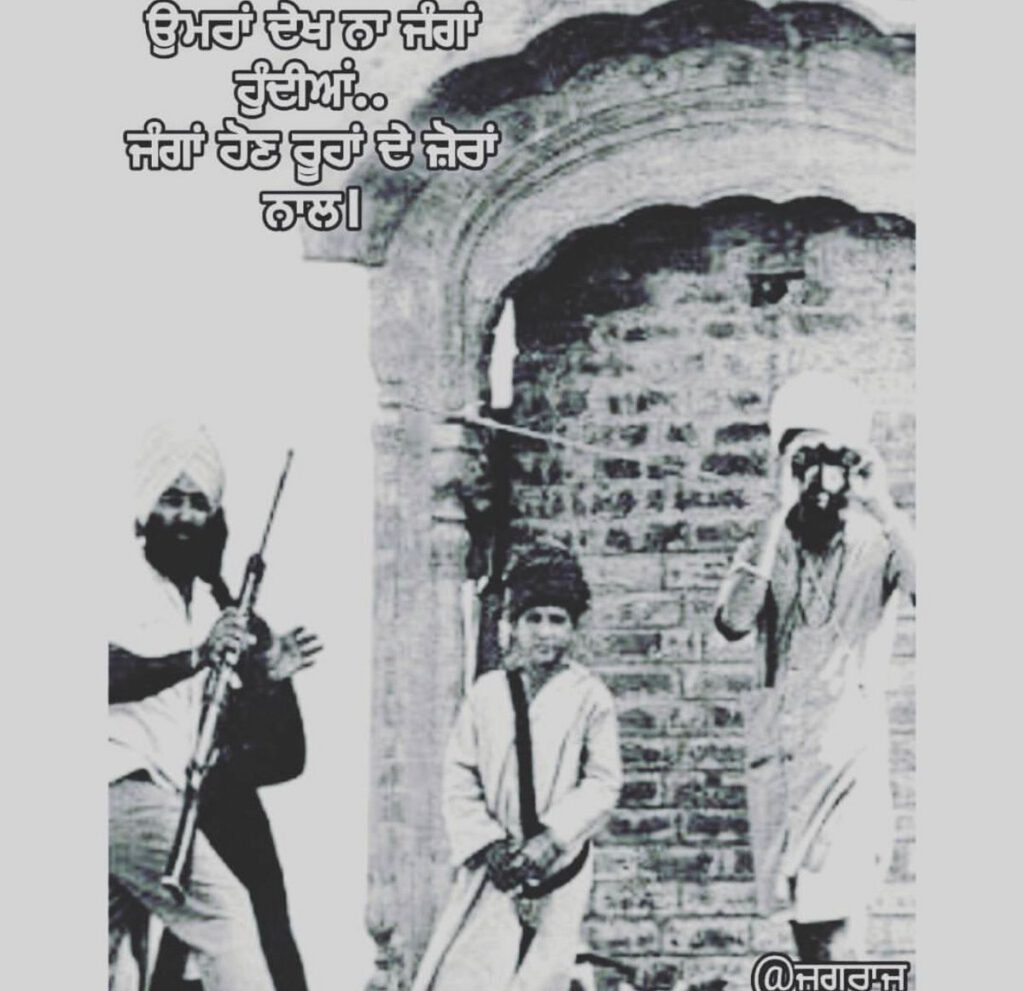
1984 Sikh Genocide – A Dark Chapter
In 1984, Operation Blue Star targeted the Golden Temple, deeply shocking the Sikh community. Shortly after, anti-Sikh riots swept across India, leaving thousands dead and countless homes destroyed.
View →
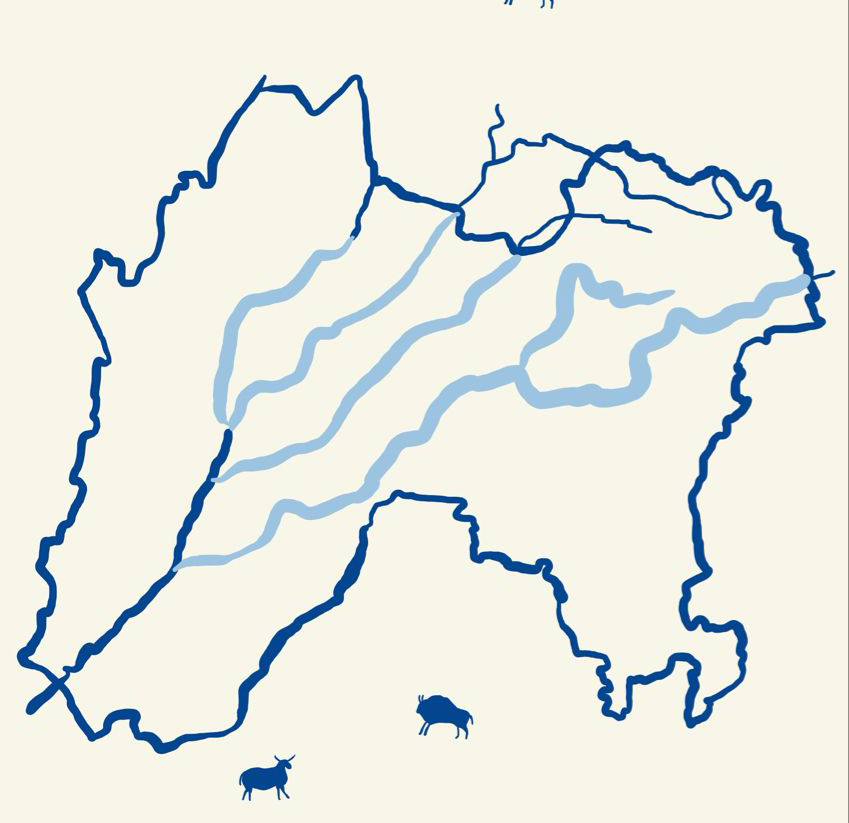
SYL Canal Dispute – Punjab’s Water Struggle
The SYL Canal threatened Punjab’s river water, a vital resource for its farmers and communities. Protests erupted, and legal battles followed to defend the state’s rights. Despite these challenges, Punjabis continue to fight to protect their land, water, and the livelihood of future generations.
View →
-
General Avtar Singh Brahma – Figure of Defiance & Sikh Self Determination
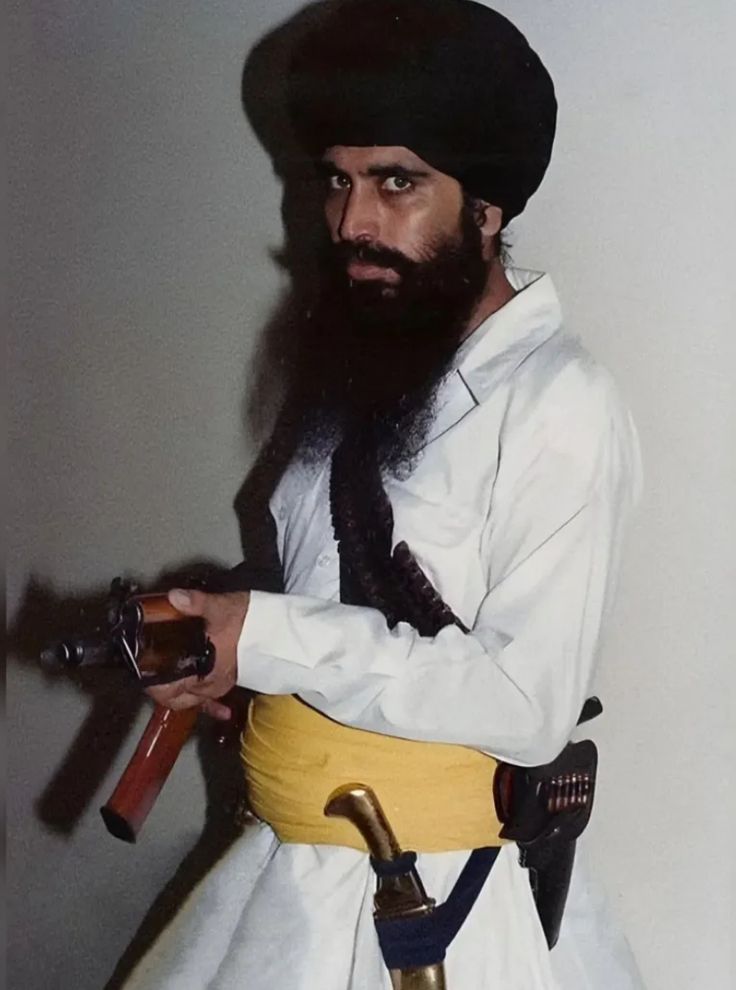
General Avtar Singh Brahma is remembered as a significant figure in the Sikh political struggle of the 1980s, often associated with themes of resistance, self-determination, and community defense during a period of intense conflict in Punjab. Born in Brahmpura, near Tarn Taran, he grew up in a region deeply affected by the unrest and tensions…
-
Jugraaj Singh Tufaan – Voice of the Youth
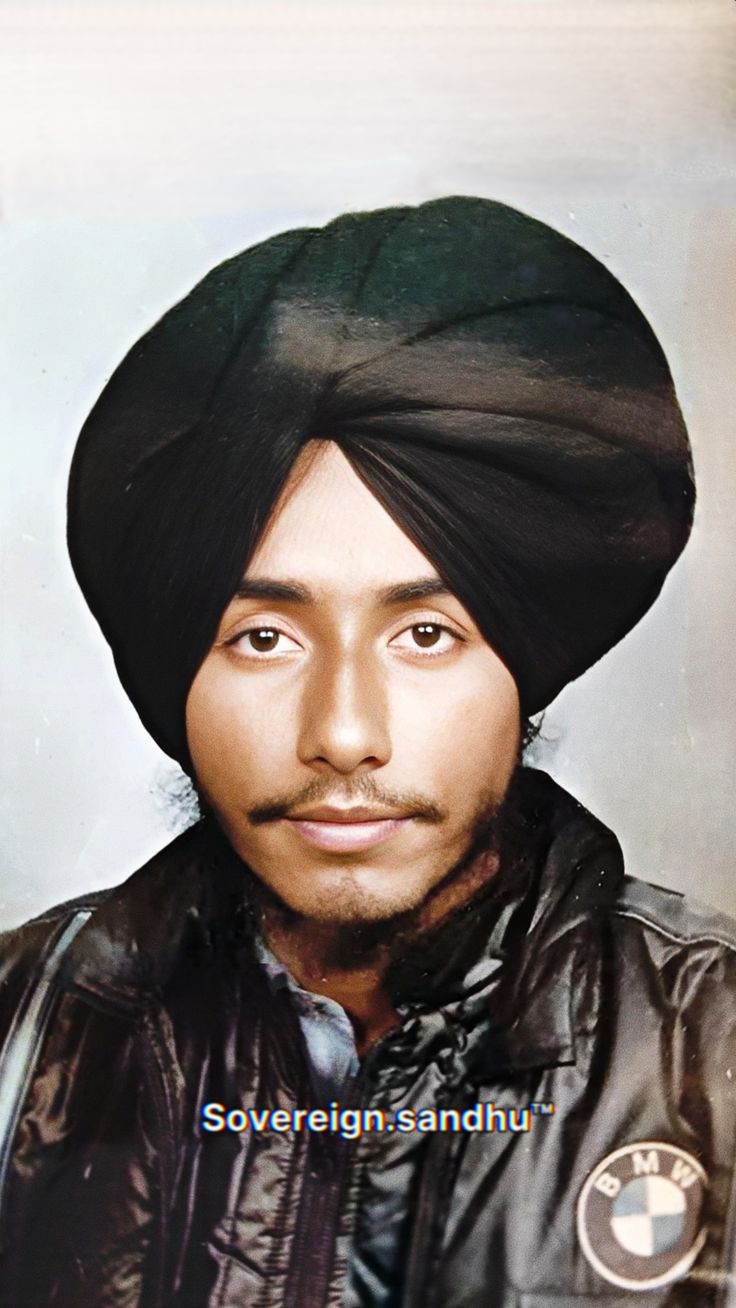
Jugraaj Singh Tufaan is a well-known Sikh activist and social media personality who has become a powerful voice for Punjab’s youth. Through his speeches, vlogs, and social campaigns, Tufaan has inspired countless young people to reconnect with their roots, understand Sikh history, and speak out for justice. Known for his fearless expression and straightforward opinions,…
-
Bhai Jagtar Singh Hawara – Symbol of Resistance
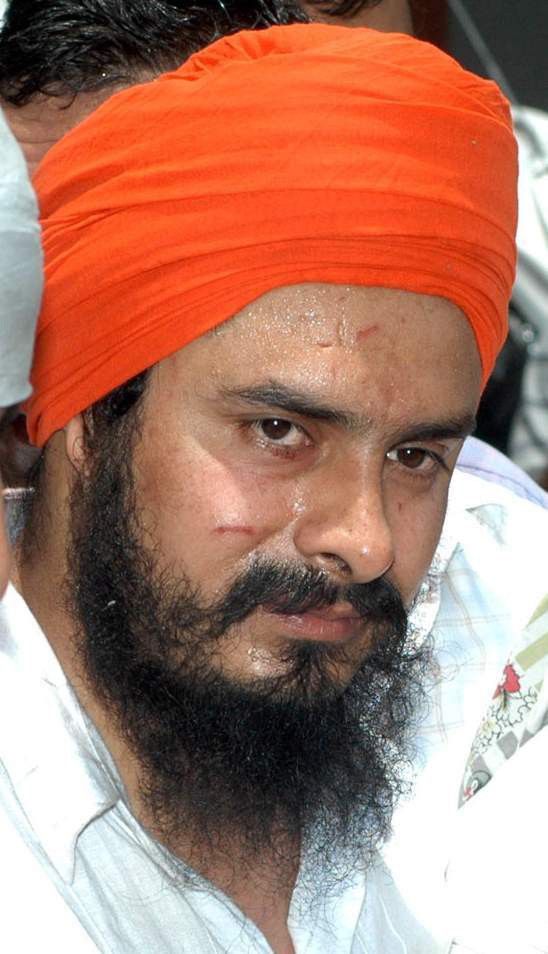
Bhai Jagtar Singh Hawara is a prominent figure in the Sikh community, often regarded as a symbol of resistance and commitment to justice. Born in 1973 in Hawara village near Fatehgarh Sahib, Punjab, he became widely known for his involvement in the Sikh struggle during the turbulent 1980s and 1990s. Hawara gained national attention for…
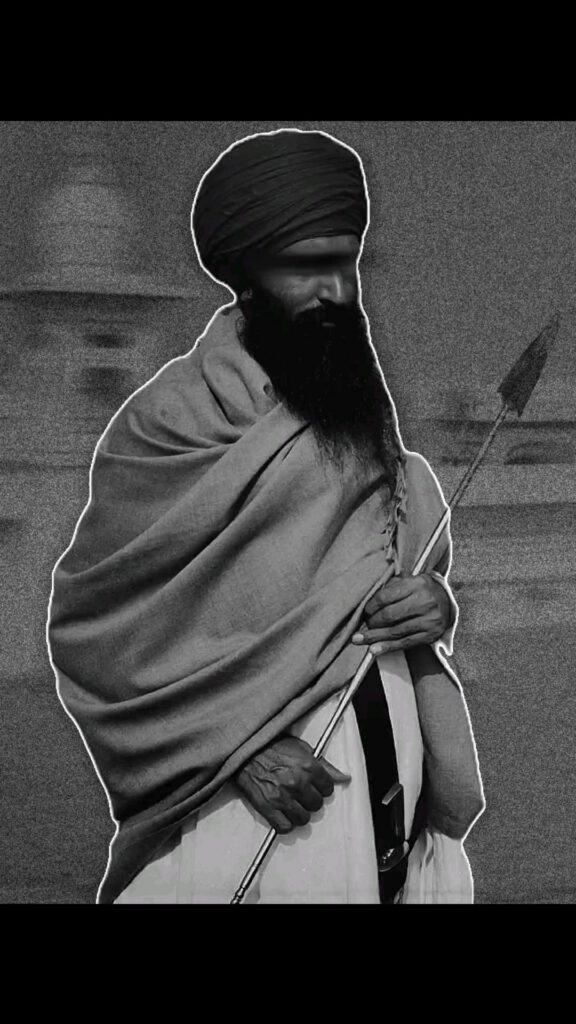
Sant Jarnail Singh Bhindranwale – A Leader of the Sikh Community
Sant Jarnail Singh Bhindranwale was a devoted Sikh leader who stood for the rights and dignity of the Sikh community. He inspired many with his commitment to faith, justice, and the protection of Sikh values. Known for his courage and leadership, he remains a symbol of resilience for Punjabis.
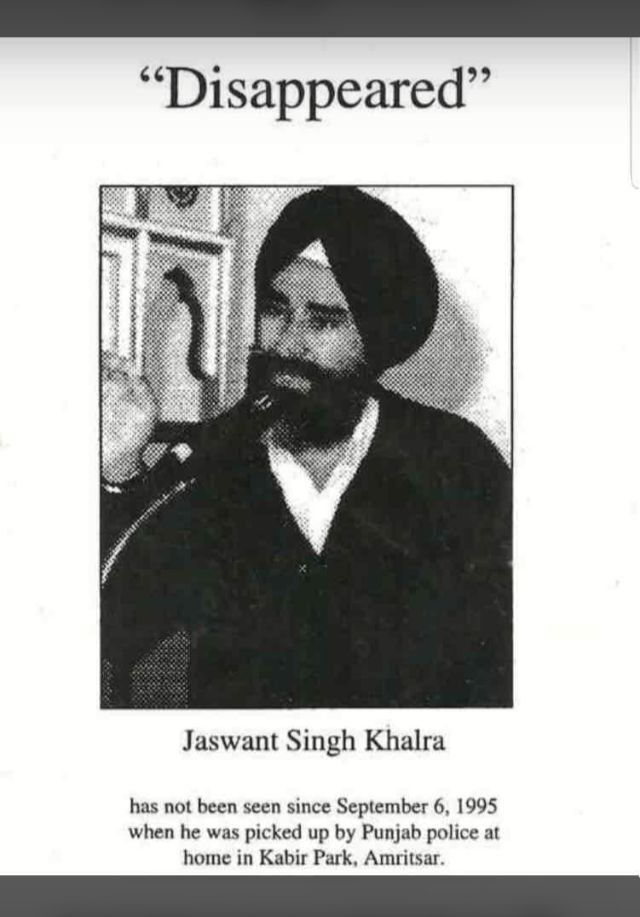
Jaswant Singh Khalra – Champion of Human Rights
Jaswant Singh Khalra was a fearless human rights activist who exposed the illegal disappearances of Sikhs in Punjab. He fought tirelessly for justice, documenting atrocities and giving a voice to the victims. His courage and dedication make him a symbol of truth and integrity for Punjab and the Sikh community.
The 1984 Sikh Genocide was a tragic chapter in Punjab’s history. Thousands of innocent Sikhs lost their lives, and entire communities were devastated. Families were uprooted, homes destroyed, and the scars of violence remain even today. Despite this immense suffering, the resilience, and unity of the Sikh people have ensured that their faith, culture, and identity continue to thrive.

Majha.Com
Punjab has always raised its voice to protect its rights and resources. While the central government faced complex challenges, the people of Punjab have consistently advocated for justice, fair treatment, and the preservation of their language, culture, and land.